
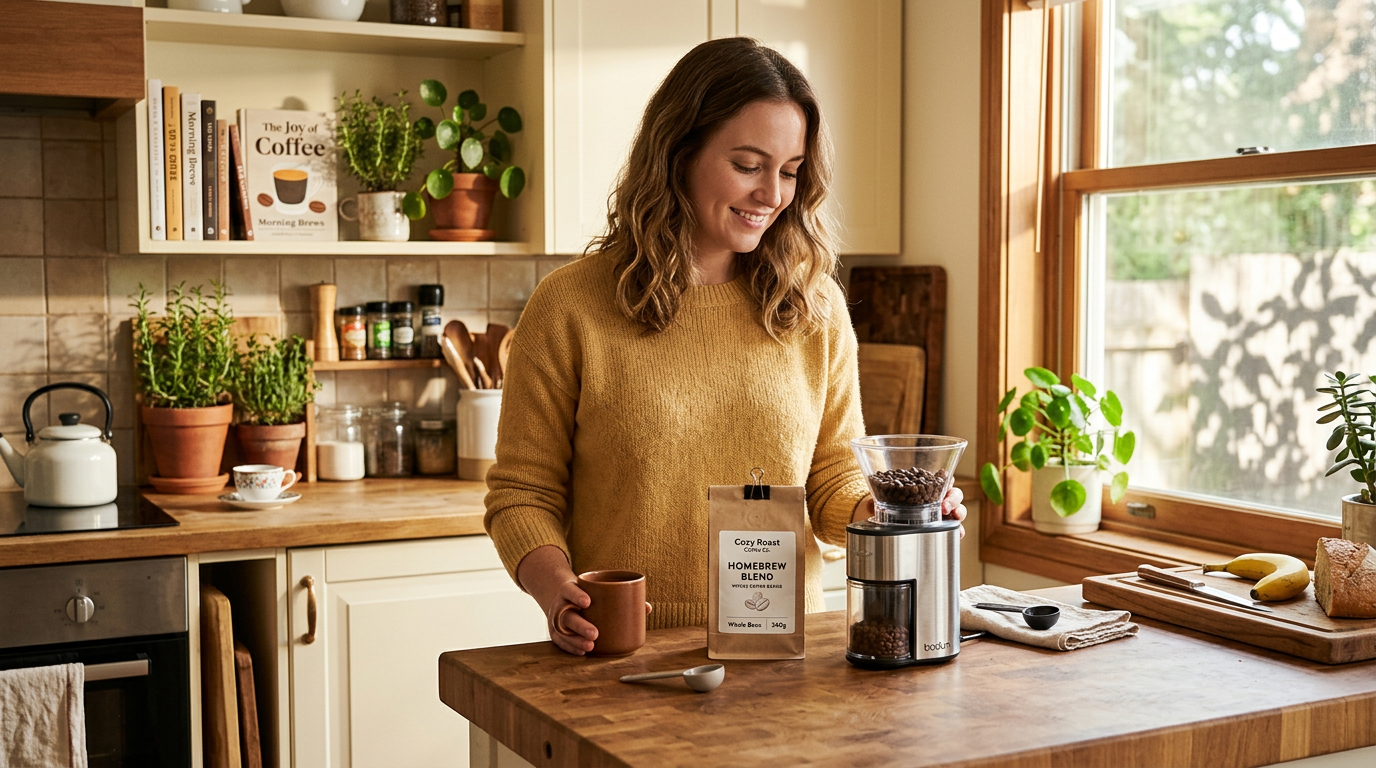
No — you don't need a coffee grinder to start making great coffee at home. Pre-ground coffee works perfectly well for beginners, especially with a drip machine. A grinder improves freshness and flavor noticeably, but it's a worthwhile upgrade to consider once you've settled into a routine — not a requirement before your first brew.
When you first start making coffee at home, the question comes up almost immediately: should you be grinding your own beans? You walk past the whole-bean section at the grocery store, you notice the little grinders at the coffee shop, and suddenly you wonder if you've been doing it wrong all along by buying pre-ground.
The short answer is: no, you haven't been doing it wrong. Pre-ground coffee is how most people start, and for good reason — it's convenient, widely available, and makes a perfectly solid cup. But there's a longer answer worth understanding, because a grinder really does make a difference once you're ready for it.
In this article, we'll walk you through exactly what a grinder does, when pre-ground coffee is the right call, and when upgrading to a grinder actually starts to matter. No pressure to spend money before you need to — just the honest breakdown so you can make your own decision.
What Does a Coffee Grinder Actually Do?
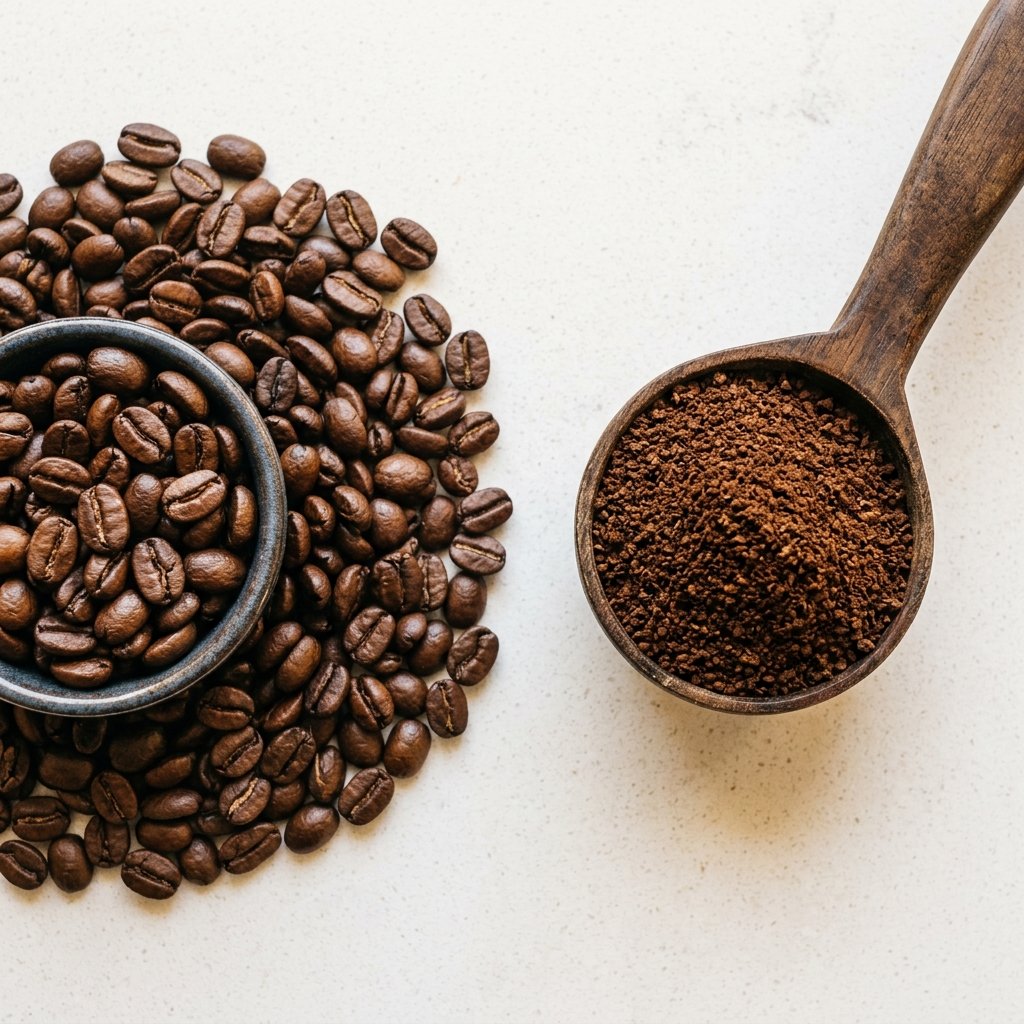
A coffee grinder breaks whole coffee beans down into smaller particles — those grounds you add to your coffee maker or French press. That sounds simple, but grind size matters a lot more than most beginners realize.
Different brewing methods need different grind sizes to work properly. A French press needs coarse grounds — chunky, about the size of rough sea salt. A drip coffee maker works best with medium grounds. An espresso machine needs very fine grounds, almost like powder. Use the wrong grind size, and you'll get coffee that tastes too weak, too bitter, or just off — even if everything else is perfect.
Pre-ground coffee from the store is typically ground to a medium size, which works well for most standard drip coffee makers. If that's your setup, pre-ground does the job just fine. Where grind size starts to matter more is if you're using a French press, an AeroPress, a pour-over, or especially an espresso machine — methods that are more sensitive to how coarse or fine your grounds are.
How Much Difference Does Grinding Fresh Really Make?
This is the honest part of the conversation. Grinding your beans fresh immediately before brewing does produce noticeably better coffee — but the gap between pre-ground and freshly ground isn't as dramatic as coffee enthusiasts sometimes make it sound. For a beginner who's just getting started, the difference is real but not life-changing.
The Freshness Problem with Pre-Ground Coffee
The main issue with pre-ground coffee is that it goes stale faster than whole beans. Once beans are ground, they have a much larger surface area exposed to air — and oxygen is coffee's enemy. The volatile compounds that give coffee its aroma and flavor start breaking down within minutes of grinding.
In practical terms: pre-ground coffee is at its best within about 1–2 weeks of being opened, and ideally within the first week. Whole beans, stored properly, stay fresh for 2–4 weeks after opening. For freshly ground coffee, the sweet spot is brewing within 15–30 minutes of grinding — that's when the flavor is at its peak.
If you open a bag of pre-ground coffee and use it all within a week or two, the freshness difference is manageable. Where it becomes more noticeable is if you're slowly working through a bag over a month — by the end, pre-ground coffee will taste considerably more flat and stale than it did when you first opened it.
Grind Size Affects How Your Coffee Extracts
Beyond freshness, grind size directly affects how water pulls flavor from your coffee — a process called extraction. Finer grounds extract faster; coarser grounds extract slower. When your grind size matches your brewing method, you get a balanced, pleasant cup. When it doesn't, you get either under-extracted coffee (weak, sour, thin) or over-extracted coffee (bitter, harsh, dry).
For beginners using a standard drip coffee maker, pre-ground medium roast is calibrated to work — so this isn't something you need to worry about right away. But it's good to know, because it's the reason grind size eventually becomes worth caring about.
If you buy pre-ground coffee, always store it in an airtight container away from light and heat — not in the freezer, and not in a clear jar on the counter. The enemy is oxygen and moisture. A simple airtight canister keeps your grounds fresh for as long as possible. See our full beginner setup guide for other tips on getting the most from your gear.
When Pre-Ground Coffee Is Perfectly Fine
Here's the honest truth: pre-ground coffee is a completely reasonable choice, and there's no shame in using it indefinitely. It's what the majority of home coffee drinkers use, and it makes a good cup when you handle it right.
Pre-ground is the right call when:
- You're just getting started. Adding a grinder to the learning curve right at the beginning can make the whole thing feel more overwhelming than it needs to be. Get comfortable with your coffee maker first.
- You're using a standard drip coffee maker. Drip machines are designed around medium-ground coffee — pre-ground is built for them.
- You drink coffee quickly. If you go through a bag within a week or two, freshness isn't a significant problem.
- Convenience matters more than perfection right now. Pre-ground means one less thing to buy, clean, and learn. That's a perfectly valid priority.
If any of those describe you, you can stop reading here and brew with confidence. Pre-ground is fine. When you're ready to experiment, you'll know.
When It's Time to Think About a Grinder
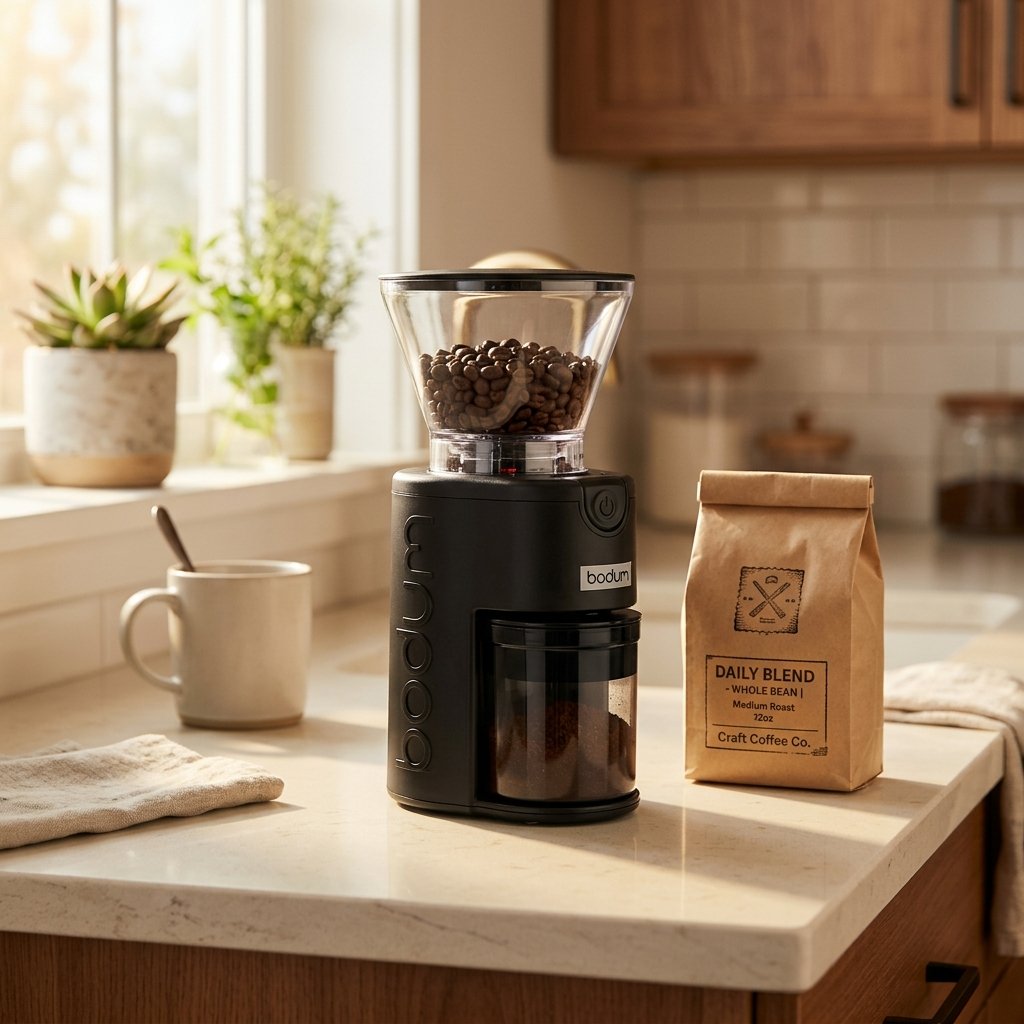
There are a few signs that a grinder might be worth adding to your setup:
Your coffee has started tasting flat or stale. If you're noticing that your coffee just doesn't taste as vibrant as it used to — or as it does at your favorite coffee shop — freshness might be the missing piece. Grinding fresh immediately before brewing is the single biggest freshness upgrade you can make.
You want to try different brewing methods. If you're curious about French press, pour-over, AeroPress, or a moka pot, a grinder becomes much more useful. These methods work at specific grind sizes, and pre-ground doesn't give you control over that.
You've started caring about the quality of your beans. Specialty coffee roasters almost always sell whole beans — their best, freshest offerings aren't available pre-ground. Once you start exploring better beans, you'll want a grinder to get the most out of them.
You want to save money over time. Good whole beans are often less expensive per cup than equivalent quality pre-ground coffee. A grinder pays for itself over time if you brew daily.
If you do decide to buy a grinder, avoid blade grinders — the kind that look like a small blender with a spinning blade in the middle. They chop beans unevenly, producing a mix of powder and chunks that brews inconsistently. You'll get better results with a burr grinder, which crushes beans between two surfaces for a uniform grind. Even an inexpensive burr grinder ($30–$50) produces dramatically better results than a blade grinder at twice the price.
What Kind of Grinder Should a Beginner Start With?
If you've decided a grinder makes sense for where you are, you don't need to spend a lot to get started. The world of grinders ranges from $25 hand grinders all the way to $500+ machines — but for a beginner making drip coffee or experimenting with French press, a budget burr grinder in the $30–$60 range will make a meaningful difference without breaking the bank.
We've done a full breakdown of the best options at every price point in our guide to the best coffee grinders for beginners. It covers both manual (hand) grinders and electric burr grinders, with honest recommendations for each budget. That's the right next stop if you're ready to pick one out.
- You do not need a coffee grinder to start making great coffee at home — pre-ground works perfectly well for most beginners.
- Pre-ground coffee is best within 1–2 weeks of opening. Store it in an airtight container to keep it fresh as long as possible.
- A grinder improves flavor by allowing you to grind fresh right before brewing, and gives you control over grind size for different brewing methods.
- If you buy a grinder, choose a burr grinder over a blade grinder — even a budget burr grinder produces far more consistent results.
- A grinder is worth considering once you've settled into a routine, want to try different brewing methods, or notice your coffee tasting flat.
The Bottom Line on Coffee Grinders for Beginners
A coffee grinder is one of the best upgrades you can make to your home coffee setup — but it's an upgrade, not a starting requirement. If you're just getting started, pick a good coffee maker, grab some quality pre-ground coffee, and focus on brewing consistently. When you're ready to take the next step, a grinder will be waiting for you, and the difference will be obvious.
If you're still putting together your whole beginner setup, our guide on what you actually need to make coffee at home covers everything from coffee makers to beans to accessories — in plain language, without the gear-head overwhelm. And if you're shopping for your first machine, we've got honest picks in our best coffee maker for beginners guide too.
☕ About the Author
Greg Rathbone is the founder of HomeCoffeeBeginner.com. He started this site after finding that most coffee advice online assumed you were already an expert. Every guide here is written for total beginners — tested in his own kitchen in Oklahoma, with zero snobbery.
⚙️ Related Coffee Grinder Guides