
To make coffee at home, you need four things: a coffee maker, ground coffee, the right filters, and fresh water. A basic drip coffee maker costs $25–$60, ground coffee runs $10–$15 a bag, and filters are about $3–$5. Total starter setup: under $80 — and you can be brewing this week.
You've decided you want to start making coffee at home. Maybe you're tired of paying $5 or $6 every morning at the drive-through. Maybe you just want a warm cup before work without leaving the house. Either way, you've probably typed something into Google and come out more confused than when you started — burr grinders, bloom times, water temperature, pour-over ratios…
We're going to cut through all of that. This guide answers the exact question you're asking — what do you need to make coffee at home — without dragging you into the deep end before you've had your first cup. No coffee snobbery. No $300 shopping lists. Just the honest answer.
Here's the short version: you need less than you think. Below, we'll walk you through the four things that actually matter, address the one question beginners always ask about grinders, and give you a clear list of everything you can safely ignore for now.
What You Need to Make Coffee at Home: The Four Essentials
Let's start with what actually matters. To make a good cup of coffee at home, you need four things. That's it. No specialty gear, no complicated equipment — just these four basics.
1. A Coffee Maker
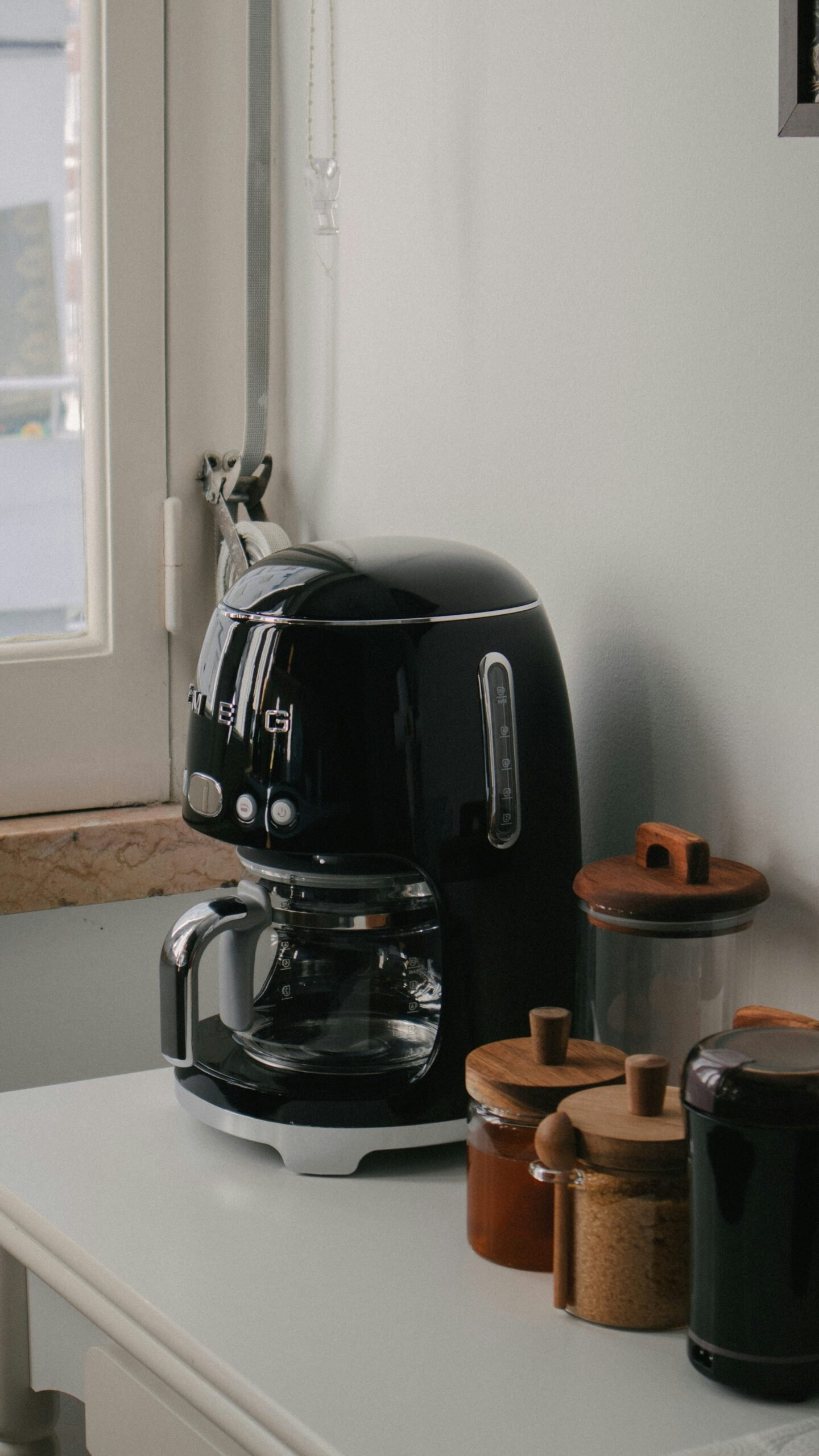
For most beginners, a drip coffee maker is exactly the right place to start. It's the machine most of us grew up around — you add water, add coffee, press a button, and a few minutes later you have a full pot. There's almost no learning curve, they're easy to clean, and a solid one costs between $25 and $60.
When shopping for your first coffee maker, keep it simple. Look for a size that matches how much you actually drink — a 12-cup machine is overkill if you're only making one or two cups in the morning. A 4- to 5-cup maker is a better fit for most beginners. Beyond that, just make sure it has a carafe that pours without dripping and parts you can actually clean easily.
You don't need a built-in grinder, a programmable timer, or a touchscreen. Those are all upsells. A basic drip machine does the job well. We cover our top picks at every budget in our guide to the best coffee makers for beginners if you want to compare a few options before buying.
A good starting point is a reliable budget drip coffee maker like the Black+Decker 12-Cup Coffee Maker — straightforward, well-reviewed, and easy to use.
2. Coffee (Pre-Ground Is Totally Fine to Start)
Yes, freshly ground whole beans make better coffee. You'll hear this a lot. And it's true. But pre-ground coffee from the grocery store is completely fine when you're just getting started, and we're not going to pretend otherwise.
Pick up a bag of medium roast ground coffee. Medium roast is the most forgiving flavor profile for beginners — it's balanced, not too bitter, not too acidic, and it tastes like what most people picture when they think “coffee.” Start there. You can explore light roasts, dark roasts, and single-origin beans once you've been brewing for a few weeks and know what you like.
One thing worth checking: look for a roast date on the bag rather than just an expiration date. Fresher coffee tastes better — aim for something roasted within the last 4–6 weeks if you can find it.
Not sure what all the labels on a coffee bag actually mean? We break it down in plain language in our guide to how to buy coffee beans as a beginner.
3. Filters (If Your Coffee Maker Needs Them)
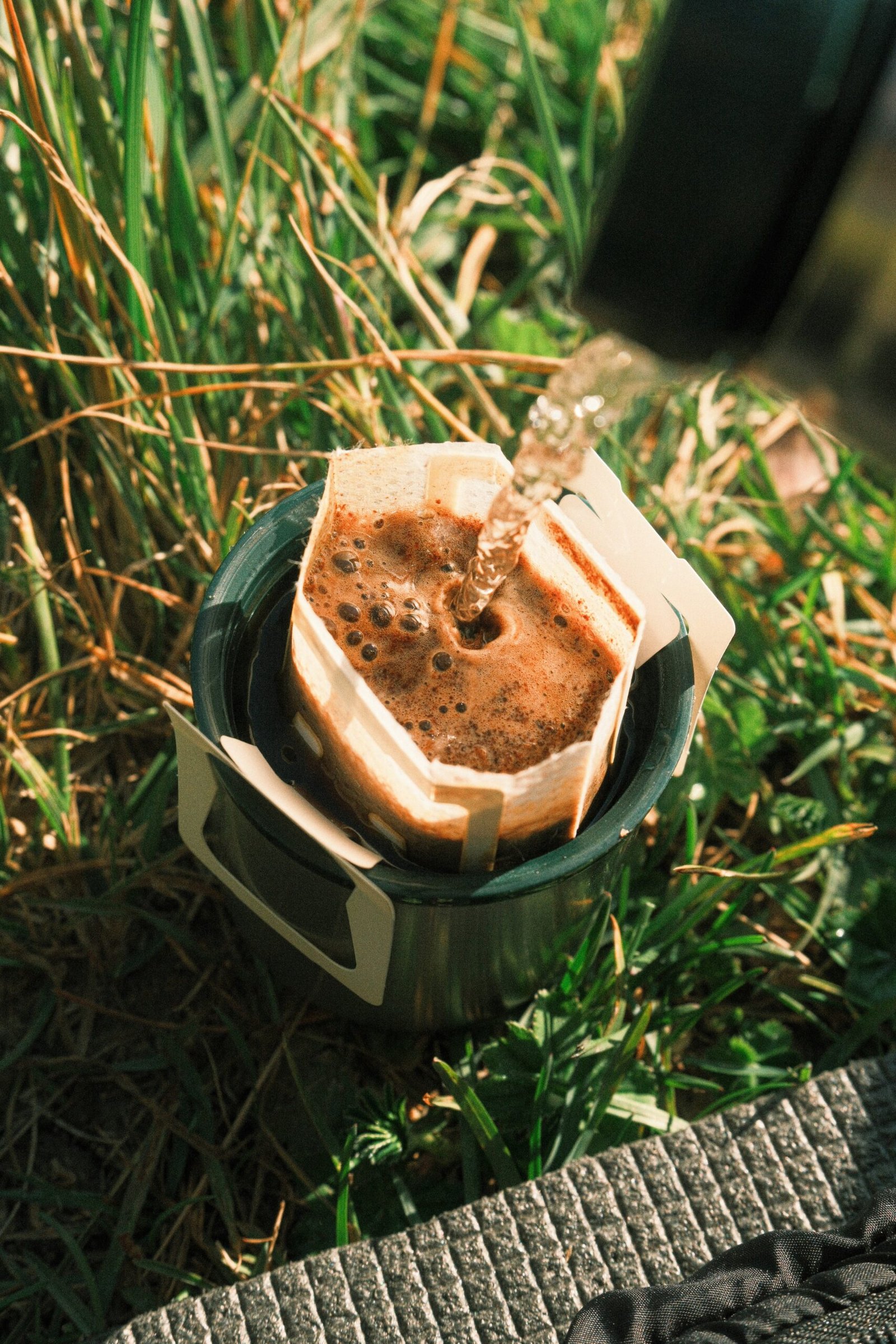
Most drip coffee makers use paper filters. Check your coffee maker's packaging to see what size it takes — usually a #2 or #4 basket filter. A box of filters costs $3–$5 and lasts for months. Don't skip this step or you'll end up with coffee grounds in your cup.
Some machines come with a permanent reusable mesh filter already built in. If yours does, you're all set — just rinse it after each use.
4. Fresh Water
Coffee is about 98% water. If your tap water has a noticeable taste or smell, that flavor is going into every cup you make. Filtered tap water (even a basic Brita pitcher) makes a real difference — you don't need to buy bottled water.
If you're using a drip machine, the machine handles water temperature automatically. If you ever branch out into manual methods, aim for water between 195°F and 205°F — just off the boil.
How Much Does a Starter Coffee Setup Cost?
| Item | What to Get | Approx. Cost |
|---|---|---|
| Coffee maker | Basic drip machine, 4–12 cup | $25–$60 |
| Ground coffee | Medium roast, first bag | $10–$15 |
| Paper filters | Box of 100+, matching your maker's size | $3–$5 |
| Total to start | $38–$80 |
Once you have a coffee maker, your ongoing cost is just coffee and filters — typically $15–$25 per month. Compare that to a $5-a-day coffee shop habit (roughly $150/month) and the machine pays for itself in the first week.
Don't buy a large bulk bag of coffee on your first purchase. Start with a smaller bag ($10–$15). Coffee goes stale, and after a week or two you'll likely want to try a different roast or brand. Starting small means you're not stuck with two pounds of something you've outgrown.
Do You Need a Coffee Grinder to Get Started?
This is the question we hear most often from beginners — and the answer is no. You do not need a grinder to start making good coffee at home. Pre-ground coffee is completely fine, and millions of people use it every day.
That said, a grinder is the single best upgrade you can make once you're ready. When you grind whole beans right before brewing, the coffee is noticeably fresher and more flavorful. But you'll appreciate that difference a lot more after you've been brewing for a few weeks and know what a good cup tastes like for you. Starting with a grinder before you've dialed in the basics is putting the cart before the horse.
When you're ready, we cover the full decision in our article on whether you really need a coffee grinder — including what kind to buy and what to skip.
If you do decide to pick up a grinder, avoid cheap blade grinders — the kind with a spinning blade like a mini food processor. They chop beans unevenly, leading to inconsistent coffee that can taste bitter or weak. Look for an entry-level burr grinder in the $40–$80 range instead. The difference is significant.
What You Can Safely Skip for Now
The home coffee world is full of gear that sounds like you need it but you really don't — at least not yet. Here's the honest list of things that can wait:
- An espresso machine. Espresso is a completely different world from brewed drip coffee. Start with drip. When you're ready to explore espresso, we'll walk you through it — but that's a journey for later, not day one.
- A gooseneck kettle. Great for pour-over brewing, but for a drip machine the machine handles the water for you.
- A kitchen scale. Useful once you're dialing in brew ratios, but a standard coffee scoop is plenty to get started.
- Single-origin or specialty beans. Save these for later, once you've brewed a few bags and can actually taste the difference.
- A milk frother. Fun to have eventually, but not part of your starter setup.
- You only need four things to start: a drip coffee maker, pre-ground medium roast coffee, the right filters, and fresh water.
- A complete starter setup costs $38–$80. The coffee maker is a one-time purchase — ongoing costs are just coffee and filters.
- Pre-ground coffee is completely fine. A grinder is a meaningful upgrade, but it's not required on day one.
- If you do get a grinder, choose a burr grinder over a blade grinder — the quality difference is real.
- Skip the espresso machine, gooseneck kettle, and specialty gear until you know what you like and are ready for the next step.
Ready to Make Your First Cup?
Now you know exactly what you need to make coffee at home — and just as importantly, what you can safely skip. The goal isn't to build the perfect setup on day one. It's to start brewing, enjoy the process, and add things as you figure out what matters to you. Pick up a basic drip coffee maker and a bag of medium roast ground coffee, and make your first cup this week.
When you're ready for the next step, head over to our guide on how to make your first cup of coffee at home — it walks you through the whole brew process from start to finish, in plain language, with no assumptions about what you already know. You've got this.
Disclosure: This article contains affiliate links. If you purchase through our links, we may earn a small commission at no extra cost to you. We only recommend products we genuinely believe are right for beginners. Full disclosure here.
☕ About the Author
Greg Rathbone is the founder of HomeCoffeeBeginner.com. He started this site after realizing most coffee advice online assumes you're already an expert. Every guide here is written for total beginners and tested in his own kitchen — no jargon, no snobbery.