
Store coffee beans in an opaque, airtight container at room temperature in a cool, dark spot like a pantry or cabinet. Keep them away from heat, light, moisture, and air. Whole beans stay fresh for two to four weeks after opening — ground coffee loses freshness in about a week. Buy only what you'll use in two to three weeks.
You picked out a great bag of coffee. You brewed your first cup and it tasted amazing. But a week or two later, that same bag tastes flat, stale, or just… off. What happened?
Chances are, it's not the coffee — it's how you're storing it. Coffee beans are surprisingly sensitive, and the way you keep them at home makes a huge difference in how long they taste fresh. The good news is that proper storage is simple once you know the basics.
In this article, we'll walk you through exactly what makes coffee go stale, how to store your beans the right way, and whether you should ever put them in the freezer (the answer might surprise you).
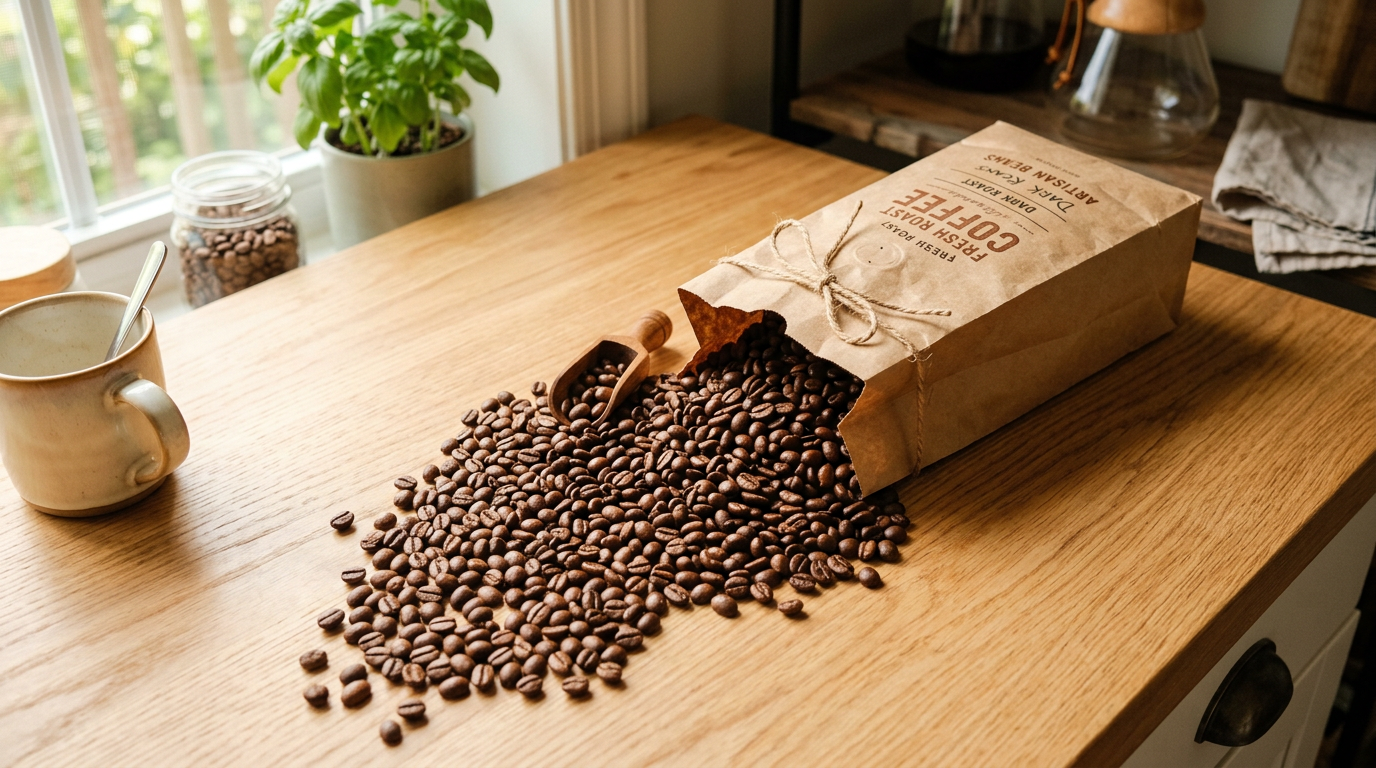
The Four Enemies of Fresh Coffee Beans
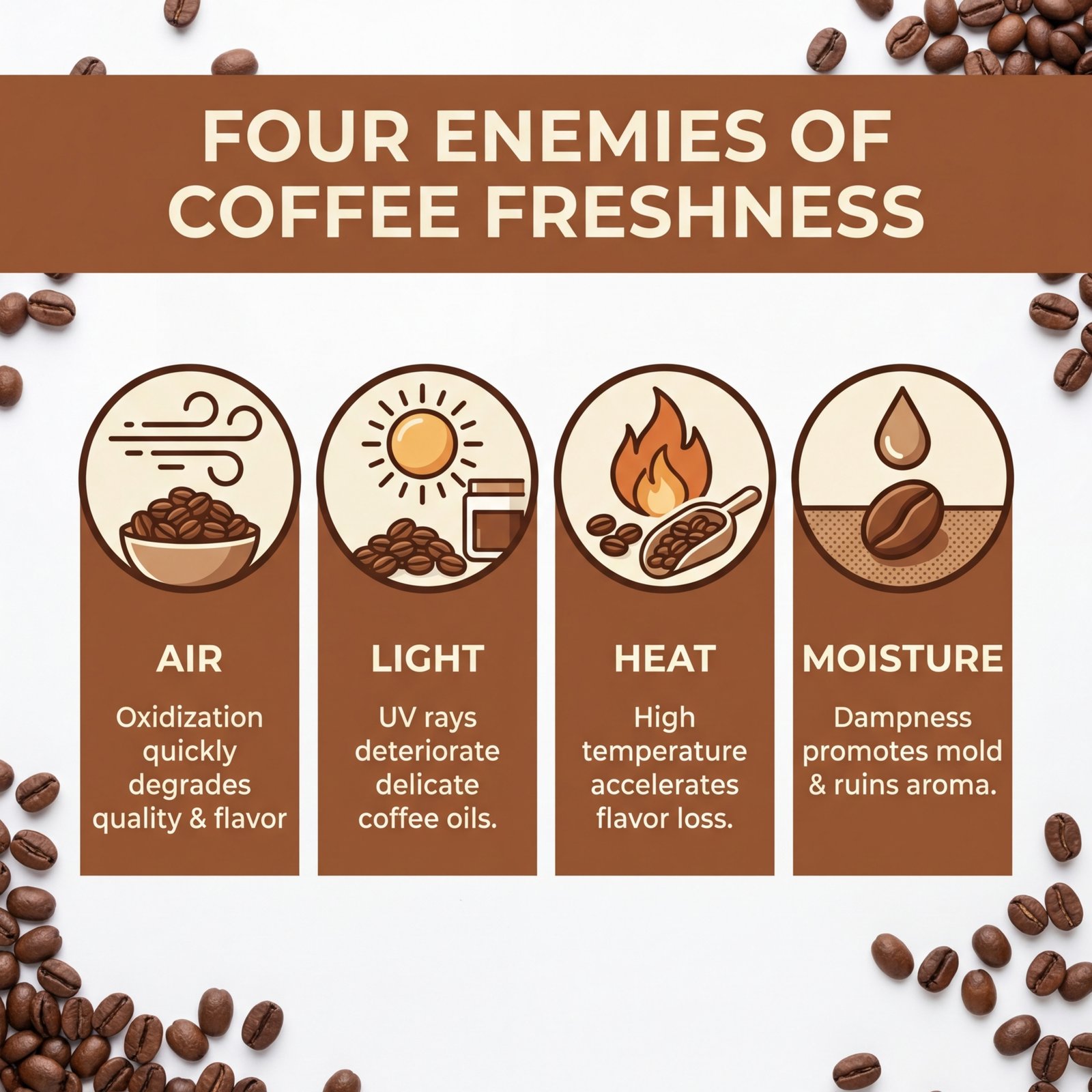
Coffee has four main enemies that cause it to lose flavor after roasting. Understanding these helps you see why proper storage matters so much — and why that open bag on the counter isn't doing your morning cup any favors.
Air (Oxygen)
This is the big one. The moment roasted coffee beans hit the open air, oxygen starts breaking down the oils and aromatic compounds that give coffee its flavor. This process is called oxidation — the same thing that turns a cut apple brown. According to the Specialty Coffee Association, oxygen is considered the primary enemy of roasted coffee freshness, and exposure can cause significant flavor loss within just two weeks.
Light
Sunlight and even bright indoor light break down organic compounds in coffee beans. That's why many specialty roasters sell their beans in opaque bags rather than clear ones. If your beans are sitting on the counter in a clear glass jar by a window, light is quietly working against you every day.
Heat
Heat speeds up the chemical reactions that cause coffee to go stale. Storing beans near your stove, oven, or even on top of your coffee maker (where it might get warm) shortens their shelf life noticeably. Room temperature is fine — just avoid warm spots in your kitchen.
Moisture
Moisture can cause coffee beans to degrade and even develop mold. This is one reason the refrigerator is actually a bad storage spot (more on that below) — fridges are damp environments, and coffee is porous enough to absorb that moisture along with odors from whatever else is in there.
How Long Do Coffee Beans Stay Fresh?
Freshness depends on whether you're storing whole beans or ground coffee — and the difference is significant.
Whole beans stay at their best for about two to four weeks after the bag is opened (or after the roast date, if you're buying from a local roaster). They're still perfectly drinkable after that, but the brightest, most complex flavors start to fade.
Ground coffee loses freshness much faster — usually within a week of opening. That's because grinding dramatically increases the surface area exposed to air, so oxidation happens much more quickly. This is one of the reasons a coffee grinder can be a worthwhile upgrade — grinding right before you brew gives you the freshest possible cup.
A good rule of thumb: buy only as much coffee as you'll use in two to three weeks. It's tempting to stock up, but smaller, more frequent purchases mean fresher coffee in your cup every morning.
Check the roast date on the bag before you buy. Many grocery store coffees only show a “best by” date, which can be months after roasting. If you can find a bag with an actual roast date, look for one that was roasted within the last two weeks. Local roasters and online specialty shops almost always include the roast date.
The Best Way to Store Coffee Beans at Home
Now that you know what to avoid, here's exactly what to do. The goal is simple: minimize your beans' exposure to air, light, heat, and moisture.
Use an Opaque, Airtight Container
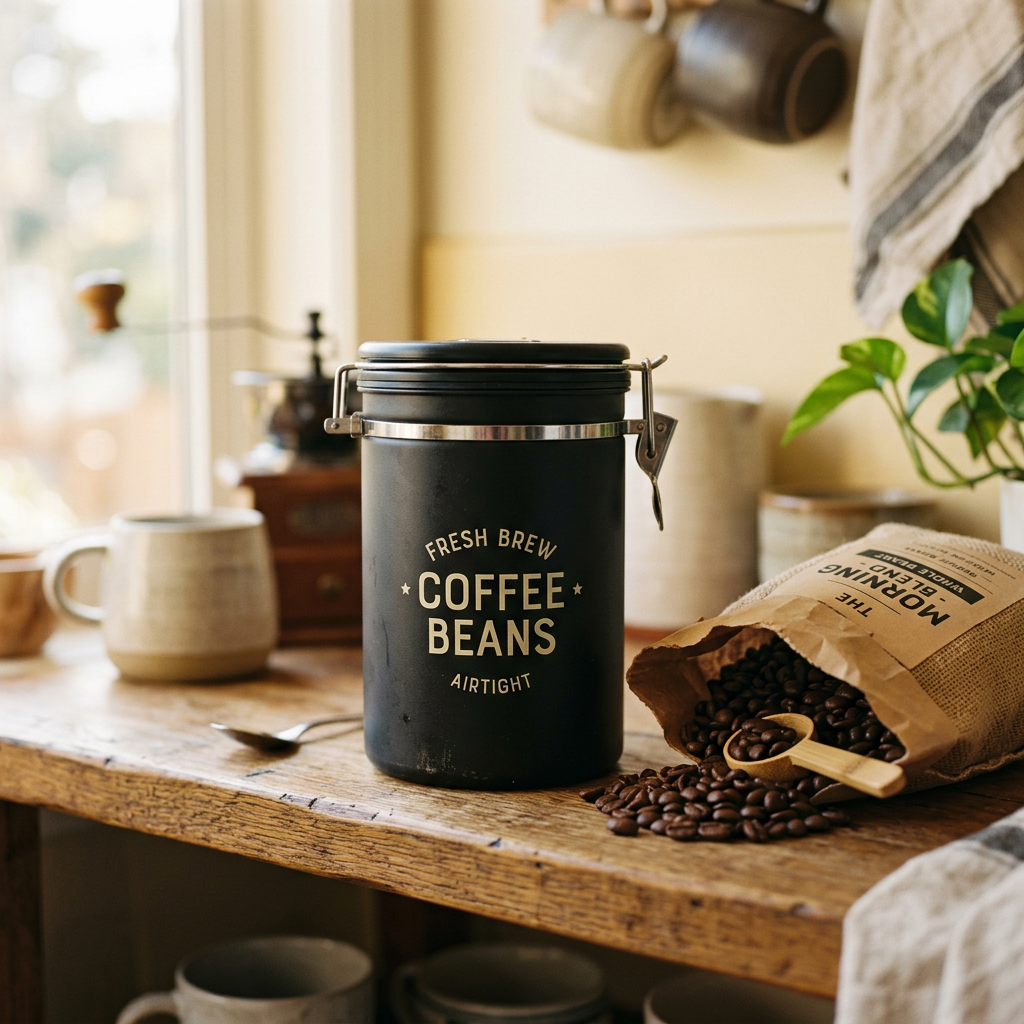
The single best thing you can do is move your beans into an airtight container that blocks light. Ceramic containers with rubber-sealed lids, stainless steel canisters, or purpose-built coffee canisters with one-way CO2 valves all work well. The one-way valve is a nice bonus — freshly roasted beans release carbon dioxide for several days after roasting, and the valve lets that gas escape without letting oxygen back in.
Avoid clear glass jars unless they're stored inside a dark cabinet. They look nice on the counter, but light exposure will shorten your beans' freshness window.
Keep Them in a Cool, Dark Spot
A pantry shelf or a kitchen cabinet away from the stove is ideal. You're looking for a spot that stays at a consistent, comfortable room temperature — roughly 60°F to 75°F. Avoid storing beans on top of the fridge (it generates heat), near the oven, or on a windowsill.
What About the Original Bag?
If your beans came in a bag with a one-way valve and a zip-seal or tin tie closure, that bag is actually designed for decent short-term storage. Squeeze out as much air as possible before sealing it, and it'll work fine for a week or two. For longer freshness, transferring to a dedicated canister is the better move.
Don't store coffee beans in the refrigerator. Fridges are damp, full of odors, and the temperature fluctuates every time you open the door. Coffee is porous and will absorb moisture and smells from other foods — nobody wants garlic-flavored coffee. The fridge is one of the worst spots in your kitchen for coffee storage.
Should You Freeze Coffee Beans?
This is one of the most debated topics in the coffee world, and the short answer is: it depends on your situation.
For everyday coffee drinking, you don't need to freeze. If you're buying beans every two to three weeks and storing them properly in an airtight container, freezing adds unnecessary complexity without much benefit.
Freezing can make sense if you bought more coffee than you can use in a few weeks — maybe you found a great deal or received beans as a gift. In that case, freezing can genuinely extend freshness for a month or more. The low temperature slows down the oxidation process that causes staleness.
If you do freeze, here's how to do it right:
- Divide beans into small portions — enough for about a week each. This way you only thaw what you need.
- Use truly airtight containers or bags. Zip-lock freezer bags with the air squeezed out work well. Double-bag if you want extra protection.
- Only thaw once. Don't take beans in and out of the freezer — the temperature changes create condensation, which introduces moisture.
- Let frozen beans come to room temperature before opening the bag. This prevents condensation from forming on the cold beans.
For most beginners, our recommendation is to skip the freezer and simply buy smaller amounts more often. It's simpler, and you'll always have fresh beans on hand.
Quick-Reference Storage Guide
| Storage Method | Best For | How Long It Stays Fresh |
|---|---|---|
| Airtight canister, dark cabinet | Daily use (whole beans) | 2–4 weeks |
| Original bag (valve + seal), dark spot | Short-term convenience | 1–2 weeks after opening |
| Airtight canister (ground coffee) | Pre-ground daily use | About 1 week |
| Freezer (airtight, portioned) | Bulk or long-term storage | 1–3 months |
| Refrigerator | Not recommended | — |
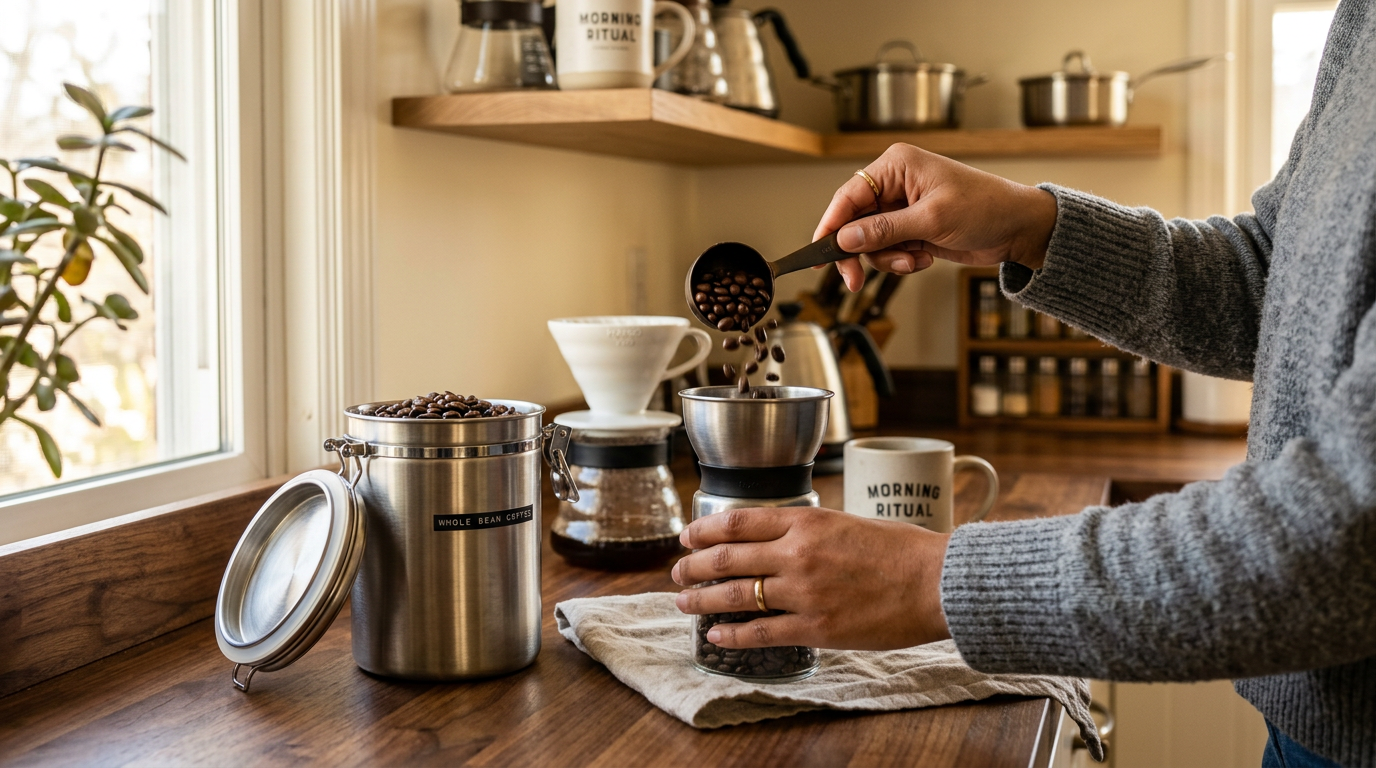
If you're just getting started with home coffee, don't overthink storage gear right away. A basic airtight container from your kitchen works fine. Even a simple mason jar stored inside a dark cabinet beats an open bag on the counter. Upgrade to a purpose-built coffee canister once you've settled into a routine and want to dial in your freshness.
- Coffee's four enemies are air, light, heat, and moisture — protect against all four.
- Store beans in an opaque, airtight container in a cool, dark cabinet.
- Whole beans stay fresh for 2–4 weeks; ground coffee for about 1 week.
- Never store coffee in the refrigerator — the moisture and odors will ruin it.
- Freezing works for long-term storage if you portion beans and seal them airtight, but it's not necessary for everyday use.
- Buy only what you'll use in 2–3 weeks for the freshest cup every time.
What's Next?
Now that you know how to keep your beans fresh, make sure you're set up with everything you need to make coffee at home. And if you're ready to take your morning cup up a notch, check out our guide to getting your coffee-to-water ratio right — it's one of the easiest ways to make a noticeably better cup.
☕ About the Author
Greg Rathbone is the founder of HomeCoffeeBeginner.com. He started this site after realizing most coffee advice online assumes you're already an expert. Every guide here is written for total beginners and tested in his own kitchen — no jargon, no snobbery.