
The best grind size for a moka pot is fine — but not as fine as espresso. Aim for something between table salt and granulated sugar: finer than drip, coarser than the powdery grind an espresso machine needs. Espresso-fine grounds are the most common moka pot mistake — they choke the flow and turn the coffee bitter.
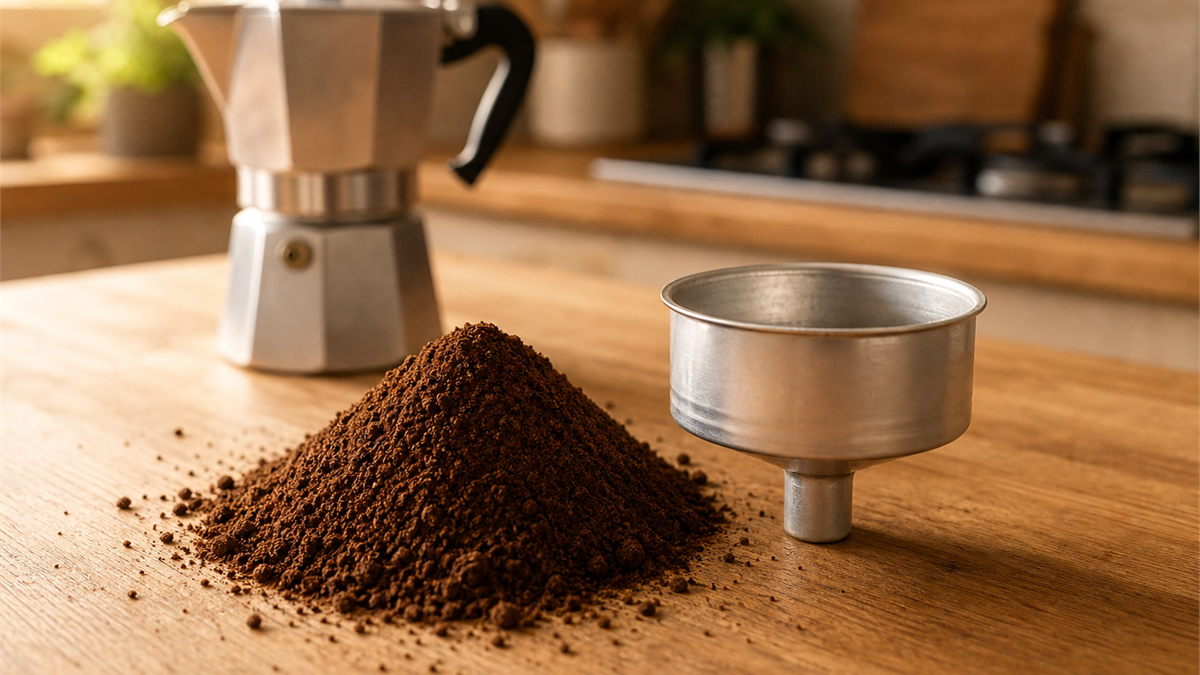
Grind size is the one variable that makes or breaks moka pot coffee, and it's where most beginners go wrong. The instinct is logical: a moka pot makes espresso-style coffee, so you reach for espresso grind. Unfortunately that's exactly backwards. Let's look at the right moka pot grind size, why it matters so much, and how to dial it in even if your grinder doesn't have a “moka” setting.
What the Right Grind Looks and Feels Like
Pinch a little between your fingers. The ideal moka pot grind feels like table salt — gritty and distinct, but fine. Some people describe it as fine granulated sugar. The key landmarks:
- Finer than drip coffee (drip is more like coarse sand).
- Coarser than espresso (espresso is a fine powder that clumps when you pinch it).
- About the texture of table salt — that's your target.
If you're buying pre-ground coffee at the store, look for a bag labeled “moka” or “espresso” grind — espresso grind from a bag is usually a touch coarser than true machine-espresso grind and works fine in a moka pot. Fresh-ground is better, but don't let perfect get in the way of good when you're starting out.
Why Espresso-Fine Grind Ruins Moka Coffee
It comes down to pressure. A real espresso machine pushes water through that powdery grind at about 9 bars of pressure in 25 to 30 seconds. A moka pot generates only about 1 to 1.5 bars of gentle steam pressure. When you load espresso-fine grounds into that low-pressure system, the water can't move through them properly. It backs up, sits too long against the coffee, over-extracts, and you taste it as harsh bitterness. Pack the basket with powder and you can even build up dangerous pressure or get a sputtering, uneven brew.
“It makes espresso, so use espresso grind” is the single most common moka pot mistake. Espresso grind is built for 9-bar machines, not 1.5-bar stovetop pots. Go one step coarser — table salt, not powder.
How to Dial It In
You don't need a scale or a fancy grinder to get this right. Use the brew itself as your feedback:
- Brew finished too fast (under ~2 minutes) and tastes thin or sour? Your grind is too coarse. Go a little finer.
- Pot sputters, struggles, or the coffee tastes bitter and harsh? Your grind is too fine (or you tamped it). Go a little coarser and fill the basket loose.
- Steady stream, 4–5 minute brew, bittersweet and smooth? You nailed it.
Adjust one notch at a time and change only the grind between brews so you can actually tell what did what.
Always fill the basket level and loose — never tamp. Even a perfect grind tastes bitter if you press it down like an espresso puck. Loose grounds let the gentle moka pressure flow through evenly.
Do You Need a Burr Grinder?
For a moka pot, a burr grinder helps but isn't mandatory. Burr grinders crush beans to a consistent, uniform size, which gives you an even extraction and a cleaner cup. Blade grinders (the spinning-propeller kind) chop unevenly — some powder, some chunks — which makes dialing in harder. If you're enjoying your moka pot and want to level up, an inexpensive burr grinder is the highest-impact upgrade you can make.
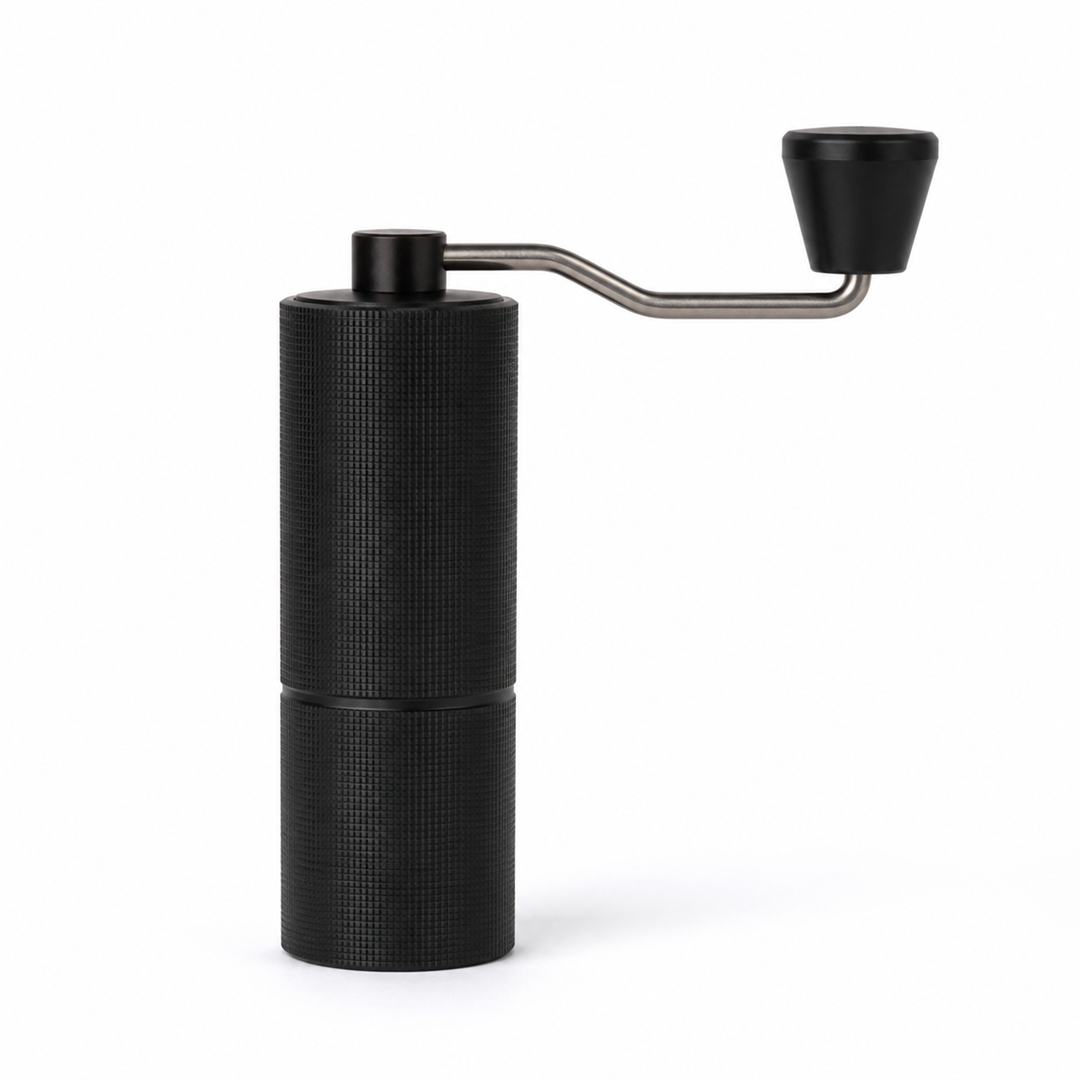
Our Pick for Beginners
JavaPresse Manual Burr Grinder
An affordable, no-electricity way to get consistent, adjustable grind. Its click settings make it easy to land that table-salt texture and repeat it every morning.
Check Price on Amazon →A Quick Grind Reference
| Brew Method | Grind Texture | Everyday Comparison |
|---|---|---|
| French press | Coarse | Sea salt / breadcrumbs |
| Drip / pour-over | Medium | Coarse sand |
| Moka pot | Medium-fine | Table salt |
| Espresso | Fine | Powdered sugar / flour |
- Aim for a table-salt texture — finer than drip, coarser than espresso.
- Espresso-fine grind over-extracts and tastes bitter in a moka pot.
- Too fast and sour means go finer; sputtering and bitter means go coarser.
- Fill the basket level and loose — never tamp.
- A cheap burr grinder is the best upgrade for consistent grounds.
Get the grind right and most of the other moka pot problems disappear on their own. Next, put it into practice with our step-by-step guide to using a moka pot, see the full overview in our complete moka pot beginner's guide, or troubleshoot a harsh cup with our moka pot bitter-and-burnt fix guide.
Disclosure: This article contains affiliate links. If you purchase through our links, we may earn a small commission at no extra cost to you. We only recommend products we genuinely believe are right for beginners. Full disclosure here.
☕ About the Author
Greg Rathbone is the founder of HomeCoffeeBeginner.com. He started this site after realizing most coffee advice online assumes you're already an expert. Every guide here is written for total beginners and tested in his own kitchen — no jargon, no snobbery.